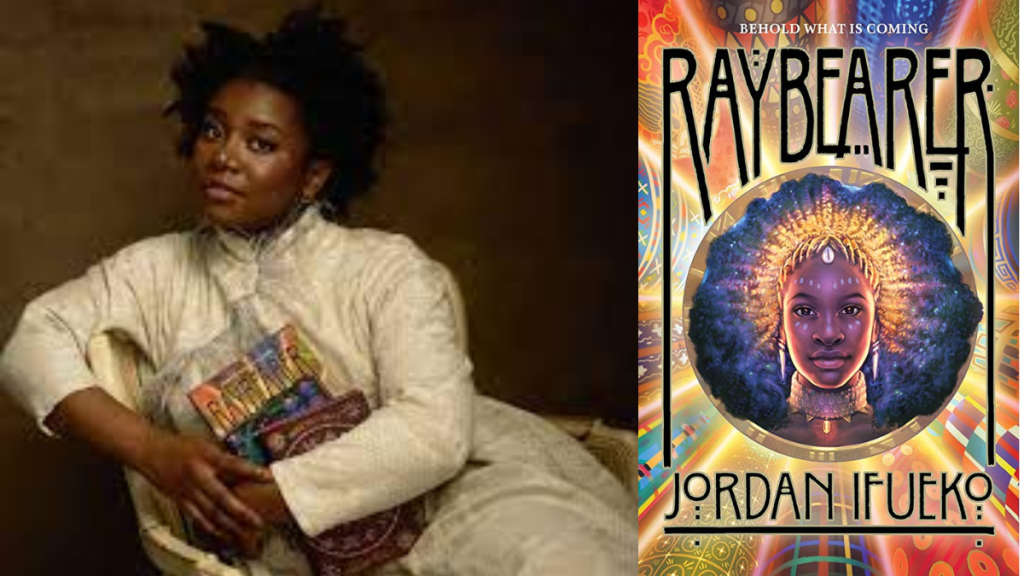
Raybearer by Jordan Ifueko almost immediately stands out, with the opening lines “I shouldn’t have been surprised that fairies exist. When elephants passed by in a lumbering sea beneath my window, flecks of light whispered in the dust, dancing above the rows of tusks and leather.” In much of YA fiction, elephants are an exotic delight rather than an assumed noun. But here, they are the first essential brushstroke in painting the world. Following close behind are others, boab trees and mangoes and grasslands. The world of Raybearer is obviously at home in Africa, and not as a holiday or pilgrimage. It’s a lovely, lyrical entry into the growing subgenre of Afrofuturism.
Afrofutrisum is defined by the Tate galleries in the UK as being ‘a cultural aesthetic that combines science-fiction, history and fantasy to explore the African-American experience and aims to connect those from the black diaspora with their forgotten African ancestry.’ It’s a powerful movement that brings new and fresh voices into the sci-fi and fantasy zeitgeist, and it’s prompted me to reflect more on other diverse entries into my favorites genres. Raybearer itself is a thrilling tale of empires and lovers and family, and the first on the list. Here are some others.
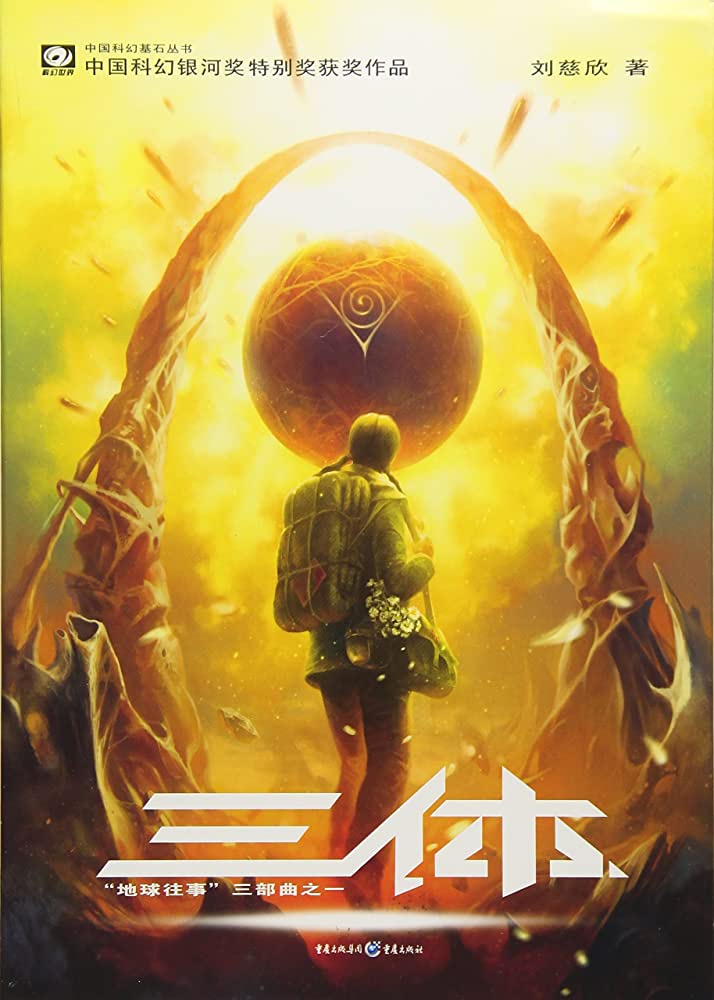
The Three-Body Problem by Liu Cixin
Three-Body Problem is the dream of online authors, a free serialized piece picked up by publishers and now a successful trilogy of novels. Chinese engineer-turned-author Cixin details the first encounter of mankind with an alien race called the Trisolarans – specifically their planned invasion of Earth. The whole series posits answers to the Fermi Paradox (in short- where is everybody? Why is Earth the only planet we’ve found with life?) and examines sociology on a cosmic scale. Survival and cultural interactions become a little more complicated when quantum entanglement is involved! This is a great contemporary sci-fi piece – there’s a prescience to it that belies just how well Cixin understands the state of technology now that will be only more apparent in the future (get ready for those “Ten Things Three-Body Problem Predicted” listicles). Plus, you can keep an eye out for a Netflix adaptation later this year!
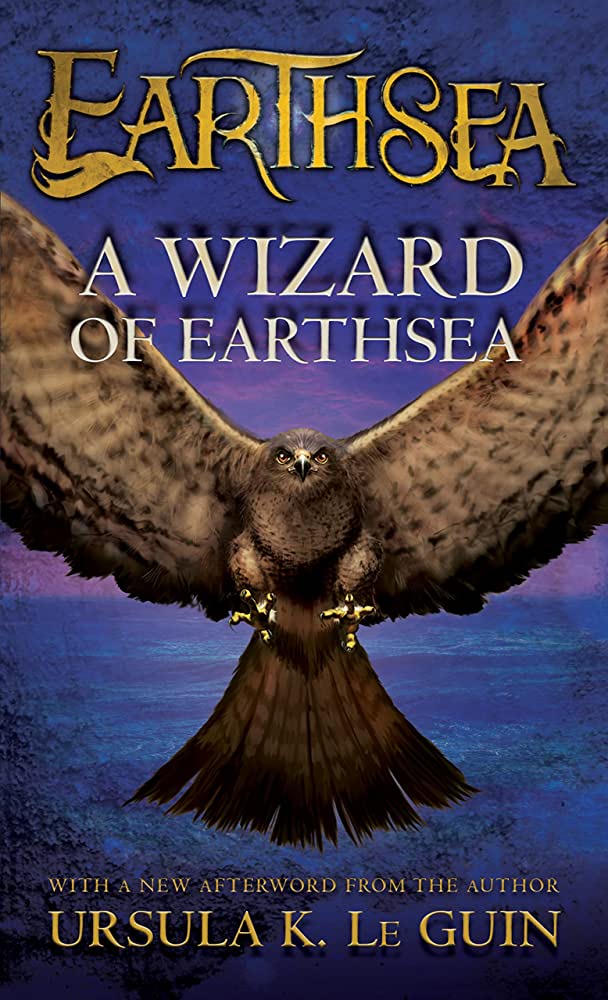
A Wizard of Earthsea byUrsula K. Le Guin
Focusing on new diverse voices must come with the understanding that groups of people and their stories have always been here. While often harder to find, there are still some authors breaking the status quo even amongst the old juggernauts. If you do a standard Google search for “classic fantasy authors,” there is one woman: Le Guinn. She has various important entries into the sci-fi and fantasy canon, most important of the latter is her A Wizard of Earthsea series. Following the powerful sorcerer Ged throughout his life, the first novel focuses on his accidental release of a shadow with his face from the Underworld and his quest to defeat it. A mighty example of the bildungsroman, or coming-of-age novel, Wizard of Earthsea has influence that can be traced all the way from The Lord of the Rings to Spirited Away.
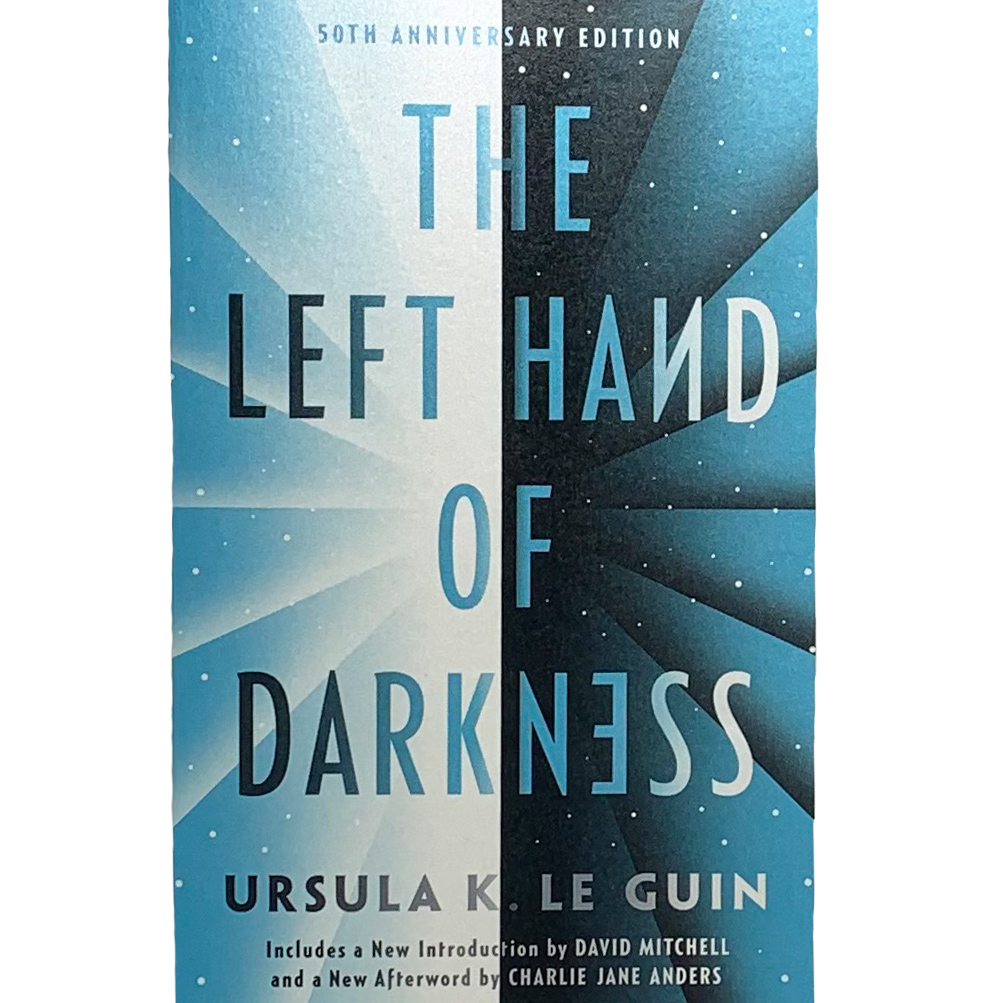
A small aside – Le Guin also deserves special mention for her responses to critiques of her work. She has participated in discussion surrounding her classic sci-fi novel The Left Hand of Darkness, for its depiction of relationships in an alien society without gender (in particular, assumptions around heterosexuality in such a world) since its release in 1969. It’s impossible to write perfectly, and notable for Le Guin to have open ears and mind concerning her oeuvres.
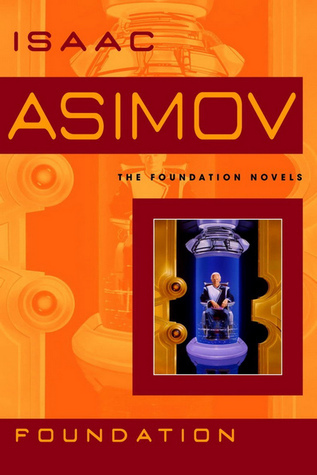
The Foundation Series by Isaac Asimov
If you’re looking for classics and you like science fiction, scarcely will you begin to hunt before finding Asimov’s name. An ethnic Jew who self describes as a humanist rationalist, there is an absolute confidence that permeates his writing. His Foundation series centers around how a brilliant mathematician foresees the fall of his current empire. Realizing that it is too late to prevent this collapse, he instead tries to course correct and save the next civilization before is has even begun. Foundation touches on a lot of powerful ideas about fate and morality – and Asimov’s unique take on the world around him is an essential part. There’s even a current Apple TV adaptation ongoing, with the second season releasing in July.
 Check it out